Introduction
Retaining walls are more than just a practical solution for managing soil and preventing erosion; they're likewise a visual improvement to your landscape. Whether you're dealing with a steep slope, creating terraced gardens, or simply seeking to improve the overall appearance of your residential or commercial property, working with the best retaining wall specialist is important for attaining the wanted result. This guide will walk you through whatever you require to know about hiring a retaining wall contractor in your area, guaranteeing that you make a notified decision.
What is a Retaining Wall?
Before diving into the specifics of working with a professional, it's essential to understand what a retaining wall is and its numerous forms. A retaining wall is created to keep back soil and prevent disintegration while supplying structural assistance. They are available in numerous materials, consisting of:
- Timber Sleeper Retaining Walls: Typically made from dealt with lumber or recycled products, these walls are popular for their natural appearance and ease of installation. Concrete Sleeper Retaining Walls: Understood for their toughness and strength, concrete sleepers can stand up to substantial pressure and last longer than other materials. Brick Retaining Walls: These walls offer a classic look and can be customized to fit various designs. Stone Retaining Walls: A natural choice that blends effortlessly into landscapes, stone walls offer both performance and beauty.
Understanding these alternatives will help you communicate efficiently with your chosen retaining wall contractor.
Why You Need an Expert Retaining Wall Contractor
1. Expertise in Style and Materials
A professional retaining wall contractor has the understanding to advise suitable materials based upon your specific landscape requirements. Whether it's selecting in between timber sleeper or concrete sleeper maintaining walls, their expertise makes sure that the structure is not just practical however likewise visually pleasing.
2. Code Compliance
Building regulations often dictate how retaining walls must be built. A competent retaining wall contractor comprehends these codes and will guarantee that your job adheres to regional regulations.
3. Risk Mitigation
Constructing a retaining wall involves numerous threats such as soil failure or water drain concerns. A qualified specialist has experience dealing with these challenges effectively.
Your Go-To Guide for Employing a Retaining Wall Contractor Near Me
Finding the best specialist may appear overwhelming, however breaking down the process makes it manageable. Here's how you can tackle it:
1. Research Resident Contractors
Start by searching online for "retaining wall specialist near me." Look for contractors with great evaluations and scores on platforms like Google My Organization or Yelp.
2. Request for Recommendations
Word-of-mouth recommendations from buddies or household can lead you to credible specialists who have actually formerly delivered outstanding work.
3. Examine Qualifications and Experience
Ensure that the specialists you're considering have correct licenses and insurance coverage. Their experience ought to line up with the specific kind of retaining wall setup you need-- be it brick, stone, or concrete sleeper.
4. Demand Quotes
Obtain detailed quotes from several professionals detailing labor costs, material expenses, and project timelines. This contrast will help you assess market rates.
5. Review Portfolios
Ask potential professionals for portfolios showcasing previous tasks similar to yours. Visual proof of their work can enhance your confidence in their capabilities.
6. Interview Candidates
Don't shy away from asking questions during interviews; inquire about their method to style, material choice, job timelines, and service warranty services used post-installation.
The Importance of Material Selection in Retaining Wall Construction
Choosing the ideal products can substantially impact both performance and aesthetic appeals. Let's dig deeper into some popular choices:
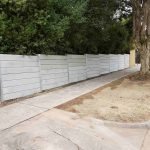
Timber Sleeper Retaining Wall: Pros and Cons
- Pros: Eco-friendly choice; simple to set up; cost-effective. Cons: Susceptible to rot; requires routine maintenance.
Concrete Sleeper Retaining Wall: Pros and Cons
- Pros: Lasting; resistant to weather conditions; very little upkeep required. Cons: Higher preliminary costs compared to lumber options.
Brick Retaining Wall: Pros and Cons
- Pros: Classic appeal; long lasting; customizable. Cons: Labor-intensive setup; potential higher expenses depending upon style complexities.
Stone Retaining Wall: Pros and Cons
- Pros: Natural beauty; strong structural integrity. Cons: High cost; needs competent labor for installation.
Understanding these pros and cons allows property owners to work together efficiently with their picked retaining wall installer Melbourne when making choices concerning construction materials.
How Much Does It Cost to Employ a Retaining Wall Contractor?
The expense of working with a retaining wall contractor differs widely based on a number of elements:
Type of Material Used: As seen above, timber may be cheaper at first compared to stone.
Wall Size: Bigger walls need more products and labor time.
Site Preparation Needs: If extensive grading or earth-moving is needed before installation begins, this will increase total costs.
Labor Charges: Rates might differ based on place (for example, retaining wall setup Melbourne might vary in prices compared to rural areas).
On average, house owners might spend in between $15-- $50 per square foot for material costs alone, plus additional labor charges ranging from $40-- $100 per hour depending on complexity levels associated with your project scope.
FAQs About Employing a Retaining Wall Professional Near Me
Q1: How do I discover trustworthy retaining wall builders near me?
A1: Start by searching online reviews and asking pals or household for suggestions while inspecting credentials carefully before making any decisions.
Q2: What permits do I require for my retaining wall project?
A2: Licenses vary by area but normally consist of zoning clearance if over 4 feet high; seek advice from regional city regulations prior beginning building work!
Q3: Can I set up a retaining wall myself?
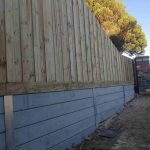
Q4: The length of time does it take to finish a common installation?
A4: The timeline differs based upon size & & intricacy but typically varies in between 1-3 days once excavation preparations are done adequately!
Q5: What upkeep is required after installation?
A5: Regular evaluations should occur yearly examining drain systems & & fixing any damage immediately extending lifespan significantly!
Q6: Will my home worth increase after setting up a brand-new retention system?
A6: Yes! An aesthetically pleasing well-built structure enhances curb appeal which translates directly into increased residential or commercial property values over time!
Conclusion
In conclusion, hiring the ideal retaining wall specialist near you is crucial when thinking about setting up any kind of retention system at home! By comprehending types available (lumber vs concrete sleeper vs brick), examining credentials effectively through research techniques outlined earlier in this guide-- you'll be equipped with whatever needed before taking that plunge towards changing landscaping efforts into reality! Don't forget-- this investment not just protects against erosion however boosts visual appeal too-- making all those hours invested outside much more enjoyable understanding that hard work paid off significantly!
So remember-- take your time throughout choice procedures while keeping sight focused firmly ahead towards building something remarkable together with experts who share very same vision! Happy building!